Refer a friend, you both get $25 off!

Why PRP Hair Treatment is Becoming Popular in California, USA

Why PRP Hair Treatment is Becoming Popular in California, USA

What is PPR hair treatment?

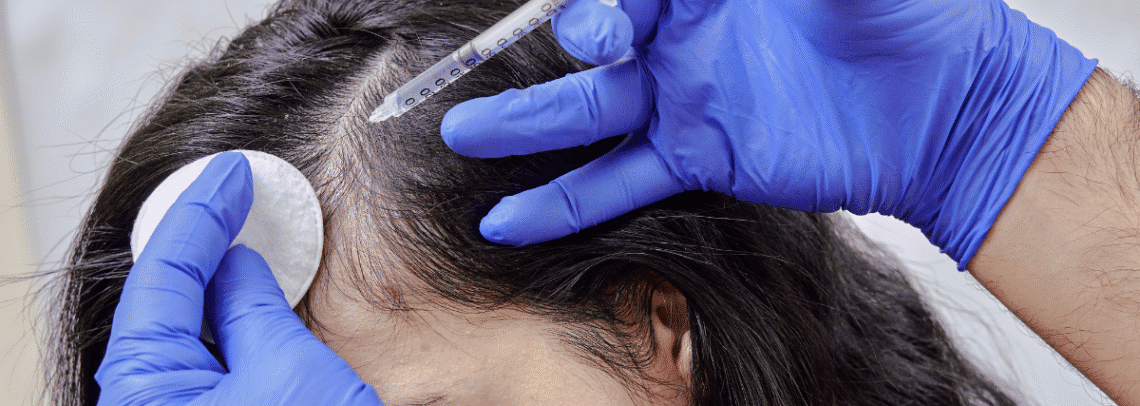
Platelet-rich plasma (PRP) hair treatment is a non-surgical procedure that uses a client’s own blood to promote hair growth. A small amount of blood is drawn and processed in a centrifuge to separate the concentrated platelets. This platelet-rich plasma is then injected into the scalp to repair damaged hair follicles and stimulate new hair growth. 

Who is eligible for this treatment

Eligible candidates 

  1. Both men and women who have androgenetic alopecia. 
  2. Those with still-active hair follicles. 
  3. Those experiencing early hair loss or noticeable thinning. 

Who is not eligible

  1. Individuals with inactive hair follicles. 
  2. Those with ongoing medical conditions or illnesses under treatment. 
  3. People with significantly low platelet levels may not be suitable candidates for this treatment. 

Key Reasons Behind the Growing Popularity of PRP Hair Treatment in California, USA 

1. PRP therapy is widely regarded as a very safe treatment 

One of the key reasons behind its convenience and growing popularity is that it is suitable for most people, except those with specific medical or blood-related conditions. Because the procedure uses your own blood, the risk of adverse reactions is minimal, making it a highly trusted option. 

2. The results are clearly visible and easy to notice 

PRP therapy effectively treats hair concerns such as damage and thinning. It enhances collagen production, promotes healthy hair growth, and improves hair texture. Since many people notice visible improvements from the very first session; this therapy has gained significant popularity. 

3. Suitable for any type of hair 

Platelet-Rich Plasma (PRP) may not be suitable for all hair types. It tends to work best for individuals experiencing early to moderate hair thinning.   

4. Multiple benefits  

This treatment is highly beneficial for both men and women and can be undergone by most people, provided it is done after consulting a doctor. It is not only effective for hair but also for skin, helping to reduce fine lines and wrinkles, rejuvenate the skin, and leave it glowing and smooth.  

Important Advantages and Disadvantages of PPR Hair Treatment

Advantages  

  • Being a non-surgical treatment, this procedure is quick and leaves no scars. 
  • Because this treatment uses your own blood, the risk of infection or allergic reaction is extremely low. 
  • It stimulates the hair follicles, enhancing hair thickness and encouraging healthy hair growth. 

Disadvantages  

  • This treatment usually requires multiple sessions.  
  • The results can vary from person to person, and in some cases, noticeable improvement may not occur, although this is rare.  
  • Common side effects may include mild pain, redness, or swelling at the injection site.” 

Key components to follow before and after the treatment 

Before treatment 

  • You should stop taking all medications starting 5 to 7 days before the treatment. 
  • If you use any blood-thinning medications or supplements, those should also be discontinued. 
  • Additionally, avoid using any hair products in the days leading up to your treatment. 

After treatment 

  • After the treatment, it is important to avoid alcohol and smoking. 
  • Be sure to stay well-hydrated by drinking plenty of water. 
  • On the day of your procedure, eat a full, balanced meal to help prevent any dizziness. 
  • Additionally, avoid excessive sun exposure following the treatment. 

Read More:

Top Benefits of PRP Hair Restoration

Everything you need to know about PRP Hair Restoration Treatment

Conclusion  

PRP treatment has become increasingly popular around the world. It is not only highly effective but also a very safe procedure. If you’re looking to improve or restore thin, weak, or damaged hair, you may consider trying this treatment. However, it is important to consult with a specialist or doctor before beginning the procedure. 

DISCLAIMER: This isn’t a medical blog or article. For more information or proper guidance, please consult a doctor.