There is a specific kind of anxiety that settles every morning when you look at your hairbrush or glance at the shower drain. For many, hair loss isn’t just a cosmetic change; it feels like a loss of identity. Whether you have a receding hairline or thinning hair, it can make you feel older. Hiding it with hats or styles can be tiring. The emotional impact of balding is significant. In a world that values youth, losing your hair can hurt your confidence. This can impact your social life, career, and how you see yourself.
For years, the options were limited to messy topical foams, daily pills with potential side effects, or invasive surgical transplants. However, a new era of regenerative medicine has shifted the landscape.
Patients are increasingly moving away from synthetic solutions and turning toward their own biology. This is why Platelet-Rich Plasma (PRP) and its “next-generation” successor, Platelet-Rich Fibrin (PRF), have exploded in popularity.
By utilizing the growth factors found in your own blood, these treatments offer a natural, non-surgical way to wake up dormant hair follicles and restore the density you thought was gone forever. But with two similar-sounding options, the question remains: which one is truly the best investment for your hair?
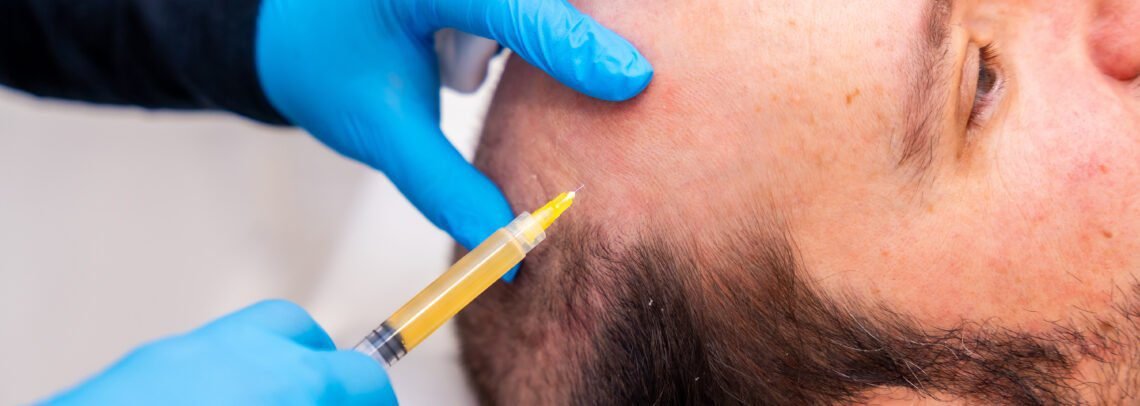
Platelet-Rich Plasma (PRP) is an important therapy. It has been used in sports medicine and orthopedics for many years. Now, it is also common in aesthetic dermatology. At its core, PRP is a concentrated source of autologous platelets. It means they come from your own body.
Your blood contains several components: red blood cells, white blood cells, plasma, and platelets. While platelets are best known for their ability to clot blood, they are also “powerhouses” of growth factors.
When concentrated and injected into the scalp, these platelets release proteins. These proteins tell the hair follicles to start growing. They also increase blood flow to the hair root and make the hair shaft thicker. For patients in the early stages of hair thinning, PRP acts as a biological “fertilizer,” providing the nutrients necessary to sustain a healthy, vibrant mane.
The efficacy of PRP depends on a precise clinical process designed to isolate the highest concentration of platelets. Here is the chronological order of the treatment:
Read More:
Top Benefits of PRP Hair Restoration
While PRP has been the gold standard for years, Platelet-Rich Fibrin (PRF) is widely considered the “next generation” of hair restoration. If PRP is a quick burst of energy, PRF is a sustained-release formula.
The primary difference lies in the composition. PRF contains not only platelets but also white blood cells (leukocytes), fibrin, and even mesenchymal stem cells. The presence of fibrin is the game-changer; it creates a microscopic “scaffold” or matrix within the scalp. This matrix traps the platelets and growth factors in the injection site, preventing them from diffusing too quickly.
PRF is made without anticoagulants, which are blood thinners like acid citrate dextrose. This makes it a 100% natural and “totally autologous” treatment. This lack of chemicals allows the blood to form a natural gel-like consistency once injected, providing a more potent and longer-lasting regenerative effect compared to traditional PRP.
The PRF process is similar to PRP but involves key technical differences in the spinning speed and the lack of additives to ensure a more robust result:
Read More:
The Science Behind Hair Restoration: How Modern Treatments Actually Work
PRP vs PRF: Key Differences
Choosing the right treatment involves looking at your specific goals, your budget, and how much downtime you can afford. While we previously discussed why PRP hair treatment is becoming popular in California, many patients are now upgrading to PRF for its superior slow-release growth factors.
| Features | PRP (Platelet-Rich Plasma) | PRF (Platelet-Rich Fibrin) |
| Ideal Candidate | Individuals with early-stage thinning or “telogen effluvium” looking for a cost-effective start. | Those with more advanced thinning, or those who didn’tsee results with PRP. |
| How to Prepare | Hydrate heavily 24-48 hoursprior; avoid anti-inflammatories (NSAIDs) for 1 week. | Same as PRP, but it is especially important to avoid alcohol and smoking for 72 hours. |
| Aftercare | Avoid washing hair for 24 hours; avoid strenuous exercise for 48 hours. | Avoid touching the scalp; no harsh chemicals or hair dyes for at least 72 hours. |
| Downtime | Minimal; slight redness or “tightness” for 12–24 hours. | Minimal; possible mild swelling or “fullness” at injection sites for 24–48 hours. |
| Precautions | Not suitable for those with platelet disorders or active scalp infections. | Generally safer for sensitive patients as it contains zero chemical additives. |
| Expected Cost | Typically $600 – $1,200 per session depending on the region and clinic. | Typically $900 – $1,500 per session due to specialized tubes and technology. |
The journey to reclaiming your hair is deeply personal. Both PRP and PRF offer a scientifically backed, drug-free alternative to traditional hair loss treatments.
If you are looking for a well-established treatment that has helped thousands of patients maintain their current hair density, PRP remains a fantastic and reliable option. However, if you are looking for the “premium” version of regenerative medicine—utilizing a 100% natural, slow-release fibrin matrix with the added power of stem cells—PRF is the superior choice for maximizing hair regrowth and thickness.
We urge you to evaluate the information provided and consult with a specialist who can examine your scalp health. Whether you choose the “gold standard” of PRP or the “next-generation” power of PRF, the most important step is the one you take today to stop the thinning and start the restoration. Don’t wait until the follicles are gone—invest in your confidence and your hair while you still have the biological foundation to build upon.
Disclaimer: This is not a medical blog. Consult with a dermatologist or certified beautician before choosing or undergoing treatment.
While both treatments use your own blood, PRP requires the addition of an anticoagulant (like acid citrate dextrose) to prevent the blood from clotting during the high-speed spinning process. PRF (Platelet-Rich Fibrin) is spun at a lower speed without any chemical additives or thinners. This allows the blood to form a natural gel-like fibrin matrix, making it a 100% autologous, chemical-free treatment.
Most patients describe the sensation as a series of small “pinches” or a feeling of pressure on the scalp. A topical numbing cream or a local anesthetic is often applied beforehand to ensure comfort. There is virtually no downtime; you can typically return to work immediately, though you should wait 24 to 48 hours before intense exercise or washing your hair to allow the injection sites to heal.
Hair follicles operate on a specific growth cycle, so patience is key. For both PRP and PRF, a standard initial protocol usually consists of 3 to 4 sessions spaced about one month apart. You may begin to notice decreased shedding within weeks, but visible new growth and increased thickness typically take 3 to 6 months to become apparent.
Yes! In fact, many specialists recommend “combination therapy.” These injections can work synergistically with topical treatments like Minoxidil or oral medications like Finasteride. While the medications help block the hormones that cause thinning, PRP/PRF treatments provide the “fertilizer” and growth factors to optimize the health of the follicle.
Regenerative therapies like PRP and PRF require active hair follicles to be effective. They are designed to “wake up” dormant follicles and thicken thinning strands. If an area of the scalp is completely smooth and the follicles have been dead for years (scarred over), these injections will likely not be able to regrow hair. These treatments are most effective for individuals in the early to moderate stages of hair thinning.
© Copyrights 2026 Pure Perfection MedSpa. All rights reserved.
Powered by DevZeo


